
Understanding Petrol Price Fluctuations and Their Impact on Household Budgets
4/11/20267 min read
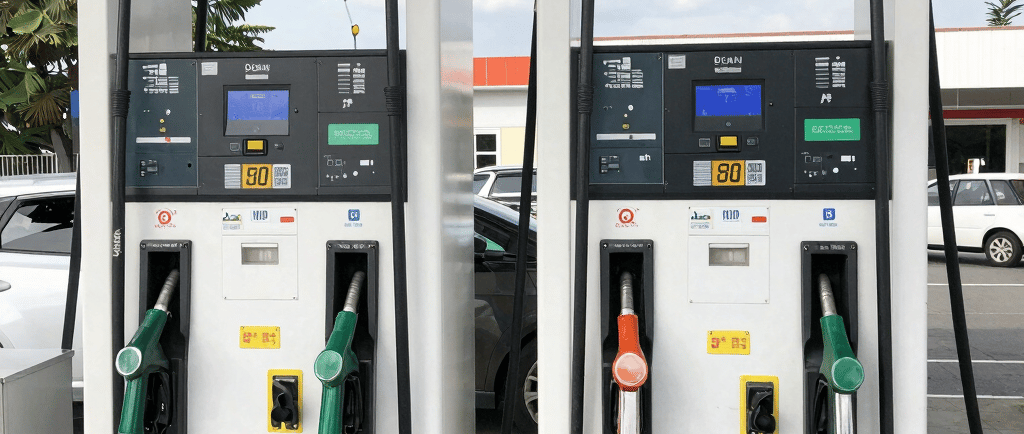
Petrol price fluctuations refer to the variations in retail petrol prices that consumers experience over time. These fluctuations can be the result of numerous factors, influencing fuel costs that ultimately affect households and businesses alike. Understanding these dynamics is crucial, as changes in petrol prices can significantly impact everyday choices and financial planning.
One of the primary factors contributing to petrol price fluctuations is global crude oil prices. These prices are determined by the international market and are influenced by a range of elements, including production levels set by major oil-producing countries and changes in global demand. When there is instability in oil-producing regions or a decision made by organizations such as OPEC (the Organization of the Petroleum Exporting Countries) to cut or increase production, the price of crude oil can surge or plummet, respectively. This shift directly translates to the prices consumers pay at the pump.
Additionally, the supply and demand dynamics play a significant role in determining petrol prices. For example, during high travel seasons or significant events, the demand for petrol increases, leading to higher prices. Conversely, if demand drops, prices may decrease as well. Geopolitical tensions can also disrupt supply chains, leading to heightened prices. Furthermore, domestic monetary policies, such as taxation and subsidies, can further complicate the equation. Government actions regarding fuel taxes can fluctuate, directly impacting what consumers pay for petrol.
In everyday life, understanding petrol price fluctuations is essential, as it helps households budget more effectively and make informed decisions about transportation and travel. This knowledge empowers them to mitigate the impact of rising costs on their overall expenses.
Transportation Costs: The Direct Impact of Petrol Prices
The fluctuations in petrol prices have a profound impact on transportation costs, which can be felt across various sectors of the economy as well as by individual consumers. When petrol prices increase, the immediate consequence is an escalation in fuel costs for vehicles, which affects both personal and commercial transportation. Businesses that rely heavily on logistics and supply chains often face significant challenges as their operational expenses surge. Higher fuel prices necessitate adjustments in pricing strategies and may lead to increased costs being passed on to consumers, consequently inflating the prices of goods and services.
For individuals, personal transportation becomes more expensive, squeezing household budgets. Commuters who depend on their vehicles experience direct financial implications, as the cost at the pump rises. This, in turn, may lead to a shift in consumer behavior, where individuals seek alternatives such as carpooling, public transportation, or even cycling. Such adaptations can reflect a broader trend of individuals becoming more cost-conscious in the face of rising fuel prices.
The impact on public transportation can be particularly noteworthy; transit authorities may be compelled to raise fares to compensate for escalating operational expenses linked to petrol price increases. This, in turn, can discourage ridership and further complicate the financial balance for public transport systems. Passengers who rely on these services might find themselves navigating a tricky financial landscape as fare increases intersect with already strained household finances. Overall, the interplay between petrol prices and transportation costs signifies a crucial area of concern for both businesses and consumers, illustrating the extensive ramifications beyond just fuel expenses.
Inflation and Essential Goods: The Ripple Effect of Rising Petrol Prices
The fluctuating prices of petrol have a profound impact on the economy, particularly in relation to inflation and the cost of essential goods. When the price of petrol rises, transportation costs inevitably increase, leading to higher expenses for businesses across various sectors. Companies that rely heavily on transportation for logistics and distribution face increased operational costs, which they are often compelled to pass on to consumers in the form of inflated prices for goods and services.
This transference of costs generates a ripple effect throughout the economy. For example, groceries and household products are not immune to these price hikes. As the cost to transport these goods increases, retailers adjust their pricing strategies to maintain profit margins, resulting in higher prices at the checkout for consumers. Essentials, which include food, cleaning supplies, and personal care items, become more expensive as the energy sector influences transportation costs, thus impacting household budgets.
Moreover, the interconnectedness of various sectors means that rising petrol prices contribute to a cycle of inflation. Transportation costs are a critical component of the supply chain. When businesses face additional expenses, they may also reduce their output due to squeezed profit margins, potentially leading to supply shortages. This scarcity further exacerbates the inflation of prices, affecting all economic participants from manufacturers to end consumers.
Thus, the impact of increasing petrol prices extends beyond the pump, touching all facets of daily life. Households begin to feel the pressure as their costs for essential goods rise, making budgeting more challenging. This ongoing cycle underscores the importance of understanding petrol price fluctuations and their extensive implications on economic dynamics.
Impact on Household Budgets and Purchasing Power
The fluctuation in petrol prices has a significant influence on household budgets, largely dictated by the direct correlation between fuel expenses and the cost of goods and services. As petrol prices rise, transportation costs inevitably increase, leading to higher prices for a variety of everyday products. These adjustments in pricing can erode the purchasing power of families, prompting a reassessment of financial priorities.
In many cases, households may find their monthly budgets strained as they allocate more funds towards fuel. For instance, a study conducted by the American Automobile Association (AAA) highlights that a 10% increase in petrol prices results in a corresponding rise in consumer prices by approximately 0.5%. Such statistics illustrate the ripple effect that higher petrol costs can have, influencing the overall economic framework and limiting discretionary spending.
As families respond to these changes, they often prioritize essential purchases over non-essential items. For example, households may decide to forgo dining out or cancel entertainment subscriptions, opting instead to focus their expenditures on basic necessities like food, housing, and healthcare. This shift in spending habits can stunt economic growth, as reduced consumption ultimately affects businesses reliant on discretionary spending for their profits.
Moreover, some households have begun implementing strategies to cope with rising petrol prices. This may include carpooling, utilizing public transportation, or opting for more fuel-efficient vehicles. Such measures not only aim to reduce fuel consumption but also to mitigate the economic strain associated with volatile petrol prices. Understanding these dynamics is critical for families aiming to maintain financial stability amidst fluctuating fuel costs.
Socioeconomic Factors: Who is Most Affected by Petrol Price Increases?
The socioeconomic landscape plays a critical role in determining how different demographic groups experience the impact of petrol price fluctuations. Low-income households often find themselves disproportionately affected by rising fuel costs, largely due to their higher dependency on transportation for daily activities, including commuting to work and errands. These families tend to allocate a significant portion of their budgets to fuel, leaving minimal room for other essential expenses such as food, health care, and education.
In contrast, higher-income families usually possess greater financial elasticity, allowing them to absorb increased petrol costs without severely impacting their overall budget. This demographic can often adapt by utilizing alternative transportation methods or investing in energy-efficient vehicles to lessen their reliance on petrol. The disparity in budget flexibility leads to a situation where lower-income households face a stronger financial strain with each price hike, resulting in a continuous juggling of priorities.
Transportation dependency is particularly critical for lower-income families, as many do not have the option to work from home or choose residences near their places of employment. The lack of public transport options or the necessity of long commutes exacerbate their financial vulnerability during periods of rising petrol prices. Consequently, these changes can lead to long-term impacts on financial stability. In extreme cases, families might be forced to choose between essential needs or falling into debt to cover necessary travel expenses.
Overall, understanding the demographic factors that influence the impact of petrol price increases is essential. Policymakers must consider these disparities when crafting regulations related to fuel prices to ensure protective measures are in place for the most vulnerable groups in society.
Government Policies and Consumer Protection Measures
The volatility of petrol prices significantly affects household budgets, prompting governments to intervene with various policies aimed at stabilizing costs and protecting consumers. Historically, these policies have taken different forms, including subsidies, price caps, and regulatory frameworks, aimed at dampening the harsh impacts of price fluctuations across the workforce.
In numerous countries, governments have implemented fuel subsidies as a direct method to cushion the financial burden on consumers. These subsidies can reduce the retail price of petrol, thereby alleviating some of the pressure on households struggling with rising fuel costs. However, such measures can lead to unintended consequences, including increased consumption and financial strain on the government's budget. As a result, authorities often face the difficult task of balancing consumer protection with fiscal responsibility.
Another policy approach is the implementation of strategic reserves, allowing governments to release stored fuel during periods of crisis to ease price surges. This method aims to ensure a steady supply amid global uncertainties and can serve as a short-term relief measure, though it does not address the underlying causes of price volatility. Additionally, regulatory measures play a critical role in ensuring competition within the fuel market, which can prevent excessive pricing by creating a more level playing field for consumers.
While these governmental strategies are essential, their efficacy remains a topic for debate. Many critics argue that existing measures are often inadequate, failing to provide long-term solutions to the profound impact of petrol prices on household budgets. Alternatives such as promoting alternative energy sources, investing in public transportation, and enhancing energy efficiency could present more sustainable solutions. By diversifying energy options, governments may reduce dependency on petrol and mitigate the risks associated with price fluctuations.
Conclusion and Future Outlook on Petrol Prices
In summary, understanding petrol price fluctuations is crucial for effective household budgeting. Throughout this discussion, we have explored the various factors contributing to the changes in petrol prices, including geopolitical dynamics, supply chain disruptions, and changes in consumer demand. These elements play a significant role in determining the current market prices, influencing how much consumers need to allocate for fuel expenses in their monthly budgets.
Looking ahead, several trends may influence petrol pricing in the near future. One significant factor is the growing emphasis on renewable energy alternatives. As governments and organizations worldwide prioritize reducing carbon emissions, there is an increasing investment in renewable sources of energy, such as electric vehicles and solar energy. This shift could potentially lessen the demand for petrol, impacting its pricing structure in the long term.
Additionally, advancements in technology may facilitate a reduction in reliance on fossil fuels. Innovations in battery technology and electric vehicle infrastructure are likely to make these alternatives more accessible to consumers, thus changing the landscape of energy consumption. Enhanced efficiency in the transportation sector may also result in lower fuel consumption, which could further stabilize or decrease petrol prices in the coming years.
It is essential for consumers to stay informed about petrol price fluctuations and their implications for household budgets. By understanding the multifaceted nature of fuel pricing and keeping an eye on emerging energy trends, households can better prepare for changes in their financial planning. As we look toward a future that may embrace cleaner energy solutions, the ability to adapt to these changes will be vital for effective budget management.